







Our Products
01
/
12






Finishing



















Our Services

Global Language Capability
0101. Global Language Capability
With our highly skilled multilingual team, we establish fast, accurate, and reliable communication with business partners around the world. This enables us to respond promptly to your requests and manage your projects with uninterrupted information flow and full coordination.
Your dedicated customer representative oversees the entire process from the initial concept to final delivery. Beyond order management, timing, quality expectations, and production progress are monitored with precision at every stage.
Because we believe the success of a label begins with strong communication and a reliable partnership behind it.

Driving Industry Growth
0202. Driving Industry Growth
We do not merely follow innovations in the printing and packaging industry; we integrate them into our way of working and actively drive change. By closely monitoring international trade fairs and industry events worldwide, we incorporate global developments into our decision-making processes.
In an era of accelerating change, we go beyond adaptation. By anticipating the future, we shape our investments today.
In an environment where customer expectations continuously evolve, we maintain our flexibility and aim to stay one step ahead through our commitment to innovation and our growth-oriented perspective.
Because we are not only designing today—but also shaping the future of our brand and our industry.

Color Reliability
0303. Color Reliability
Color consistency is one of the key elements in preserving a brand’s reliable image. With this awareness, we use the EFI Fiery color management system across all printing processes and ensure full compliance with international color standards defined by Fogra.
EFI Fiery systems provide integrated control at every stage—from prepress to production—maintaining color consistency across different devices, printing environments, and conditions. As a result, the same color accuracy is achieved from the first print to final delivery.
No matter where you are in the world, your products are produced in strict adherence to your corporate colors. Your colors consistently reflect your brand’s trustworthy image in every environment.
Upon request, we can also provide Fogra certification for relevant print jobs, documenting color accuracy with internationally recognized standards.

Reliable Packaging
0404. Reliable Packaging
Product safety is the foundation of every successful delivery. With this understanding, we consider durable outer cartons and inner packaging solutions as an integral part of our production process.
From material selection to layout details, we prioritize strength at every stage, ensuring effective protection against shocks, pressure, and environmental impacts during transportation.
Our packaging systems not only provide physical protection but also support customer satisfaction through complete and trouble-free delivery—strengthening your brand’s reliability at every point.
Quality Management System
0505. Quality Management System
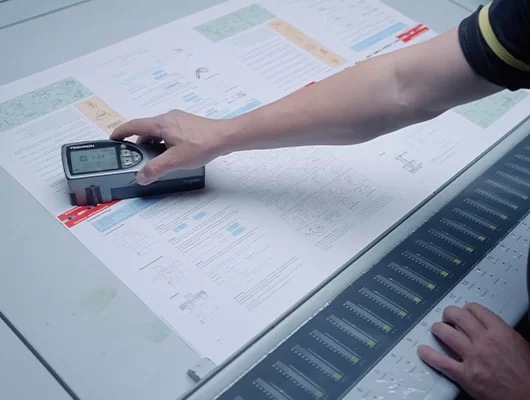
In our production processes, quality is not limited to inspections carried out on the final product. It is the result of a control and monitoring system integrated into every stage of production. Accordingly, the entire production flow is structured with planned control points from start to finish, and each stage is monitored in line with defined quality criteria.
During the prepress stage, all design files to be released for production are evaluated for technical compliance. Color values, dimensional tolerances, material selection, and application conditions are verified prior to production. These controls allow potential errors and nonconformities to be identified before production begins and enable preventive actions to be implemented in a timely manner.
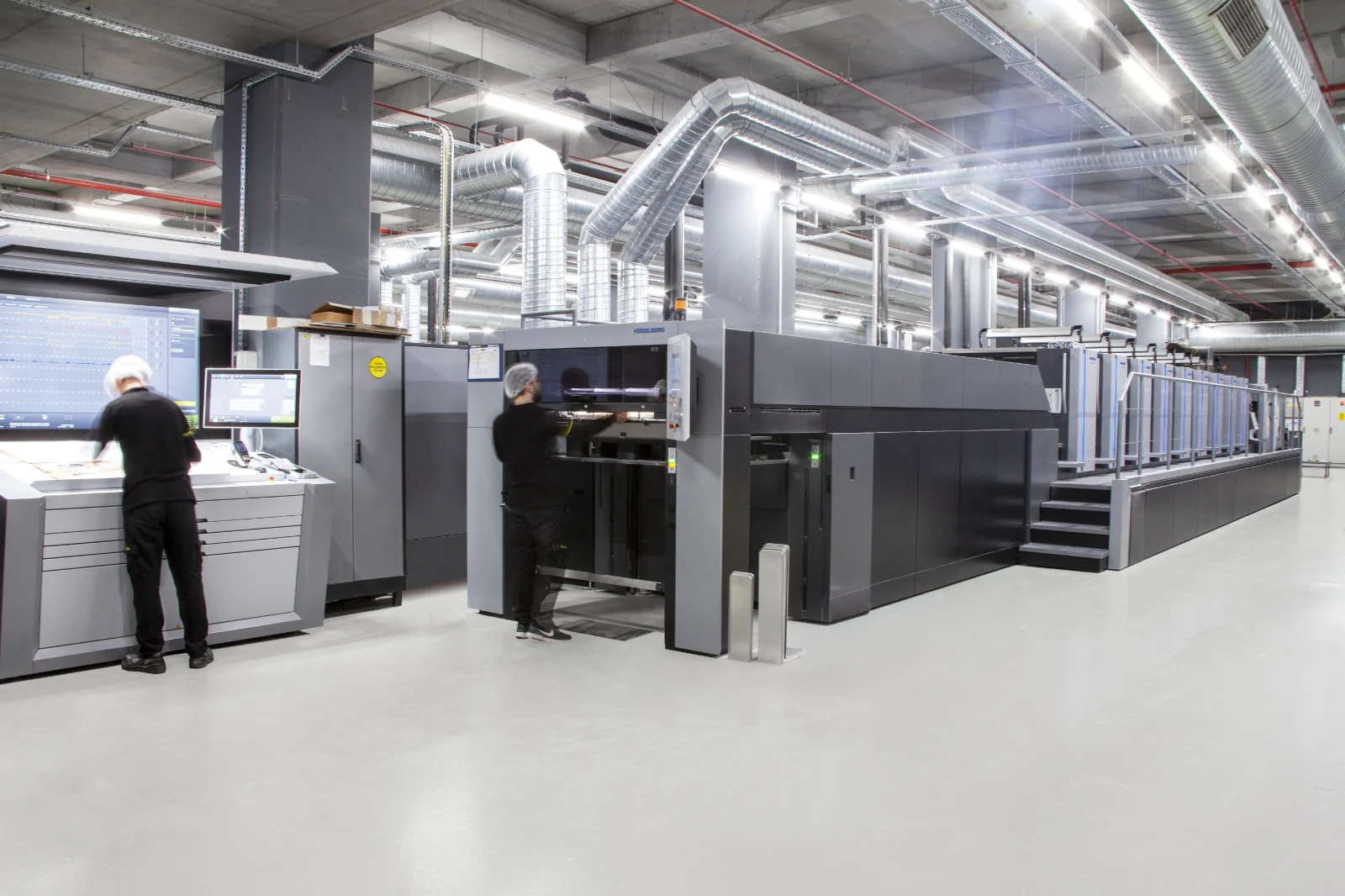
Throughout the printing process, color consistency, print clarity, and surface quality are monitored at defined control intervals. On our UV flexo and UV offset production lines, process parameters are continuously tracked; when deviations are detected, corrective adjustments are applied immediately. This ensures that the production process remains under control and that quality standards are consistently maintained.
In the post-press stage, cutting accuracy, adhesive performance, the sealing of the printed material to form the final sleeve (seal / sealing), and overall product integrity are inspected. Final inspections carried out prior to shipment verify that the products comply with technical specifications and visual quality criteria.
The primary objective of this approach is to achieve repeatable, measurable, and traceable results in every production run, minimize process-related risks, and deliver products with a consistent quality standard.
Supply Chain Management
0606. Supply Chain Management
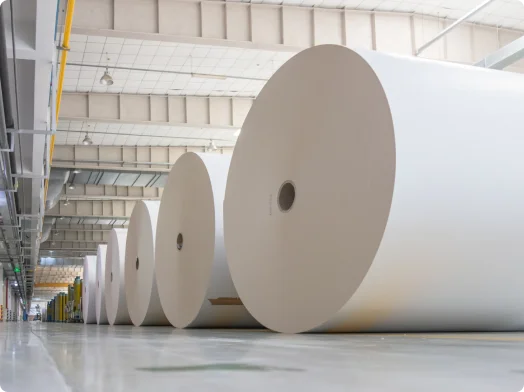
We manage our supply chain as one of the core pillars of operational continuity and product quality. Through our globally integrated sourcing network, we maintain access to raw materials and auxiliary components across international markets, ensuring uninterrupted production at every stage. This structure allows us to maintain planning stability and delivery reliability even in changing market conditions.
We recognize that our strength begins with the partners we work with. For this reason, we build long-term and transparent relationships with our suppliers, guided not only by cost and availability but also by quality consistency, environmental responsibility, and ethical business practices. Sustainability in sourcing is a fundamental part of how we safeguard both today’s performance and tomorrow’s production security.
By continuously monitoring global markets, we actively evaluate new material technologies and alternative supply sources. This approach enables us to offer solutions that are not only reliable and competitive, but also aligned with the latest industry developments. Our supply chain management creates a resilient, adaptive, and future-ready production ecosystem.
Our Markets
Publishers
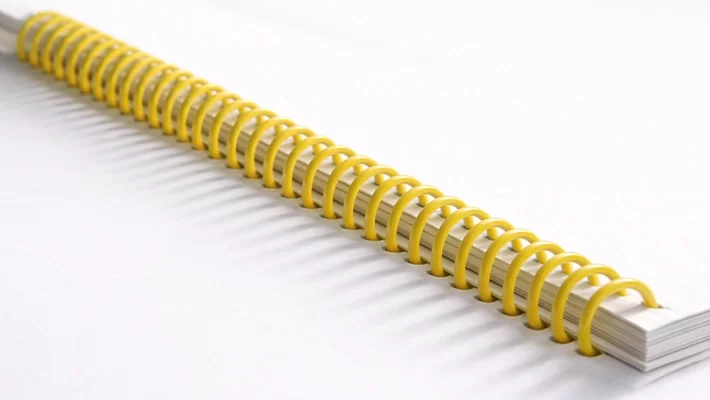
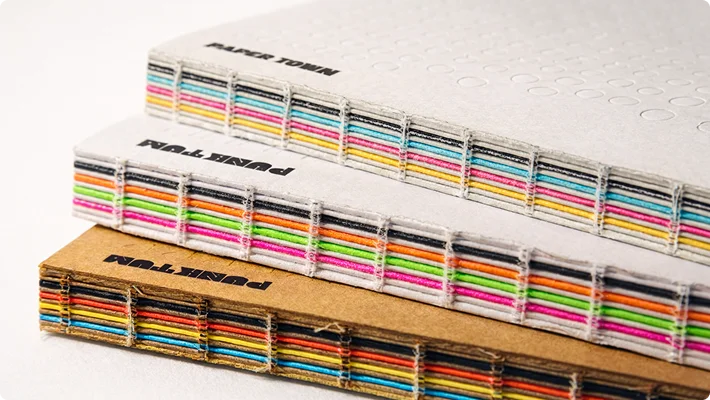
In publishing, printing is the production process that transfers content into physical form in an accurate and consistent way. The harmonious interaction of text, design, and print directly affects the readability and usability of a publication. For this reason, production processes are carried out through defined technical standards and structured workflows. Components such as paper selection, binding method, cover surface, and page layout are determined according to the intended use and structure of the publication. The printing process is considered an application layer that ensures content is delivered clearly, evenly, and with technical accuracy.

Universities and Educational Institutions
In educational publishing, printing is the production process that transfers knowledge into physical form in a clear, organized, and accessible way. Readability, visual structure, and physical durability are key factors that directly affect the usability of academic content. For this reason, production processes are carried out within defined technical standards and planned workflows. Textbooks, academic journals, exam guides, and campus-printed materials are produced based on content structure and usage intensity. Print clarity, page layout, and material durability are treated as key criteria for sustainable use and institutional consistency.

Commercial Businesses
For commercial businesses, printed materials are communication tools that ensure brand identity is conveyed consistently and that products and services are presented clearly. Catalogs, brochures, user manuals, and corporate notebooks represent the physical expression of a company’s visual and operational language. These publications are used at different stages, from first customer contact to after-sales communication. Print clarity, material quality, and page layout are fundamental elements that support brand reliability and professional perception.

Advertising and Creative Agencies
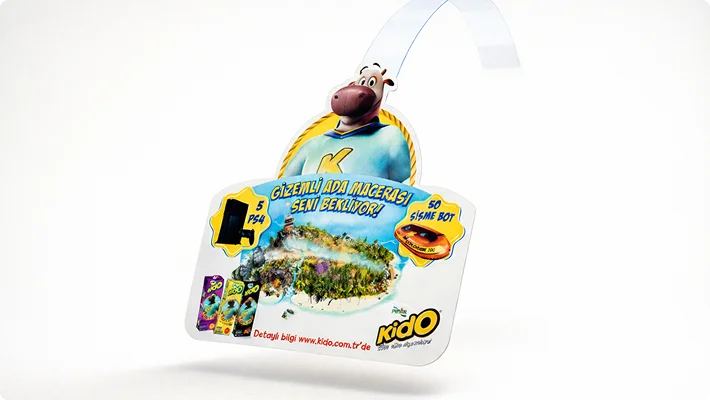
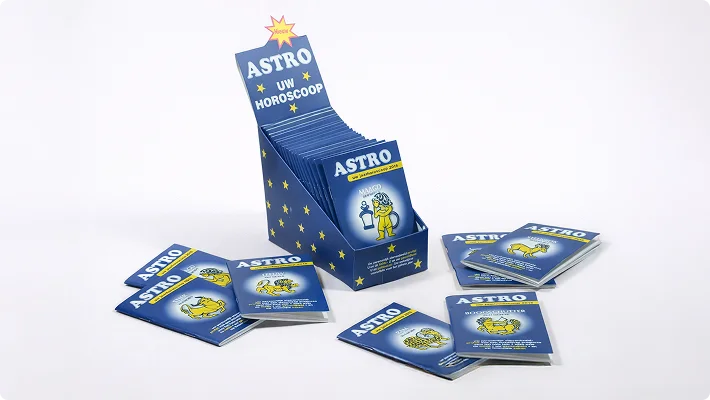
For creative agencies, printing is the execution process that transfers design into physical form accurately and consistently. Campaign materials, promotional kits, boxes, and POS solutions make the visual concept visible in real-world applications. The printing process is managed according to the design structure and technical requirements of each project. Color consistency, cutting precision, and surface finishes are treated as key control areas that ensure creative content is accurately reflected in production.

NEWS